





 Get access to over 1,300 articles and reader Q&As



I just got my COVID-19 booster. Do I need to wait before trying to conceive?
—Kait
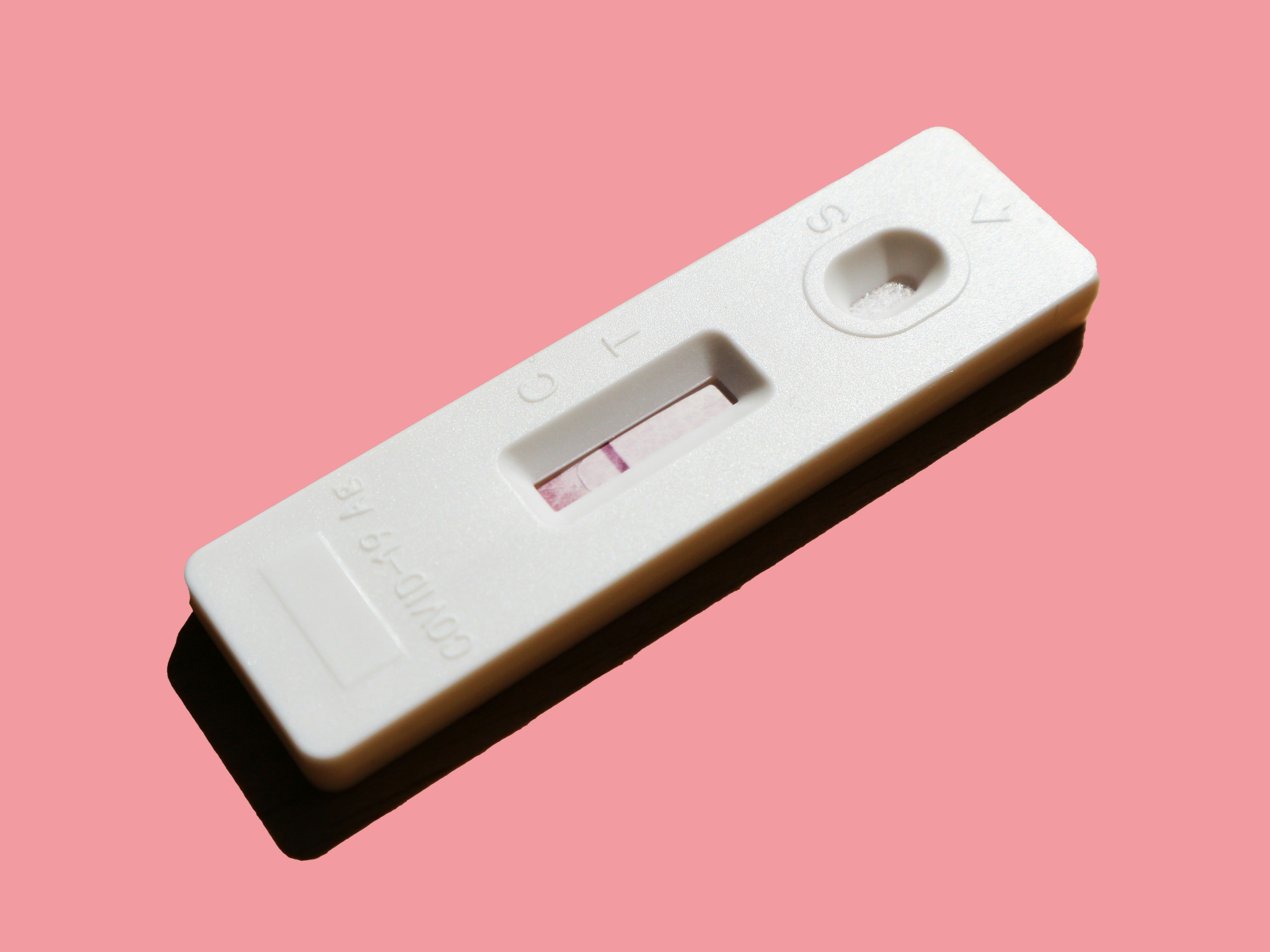
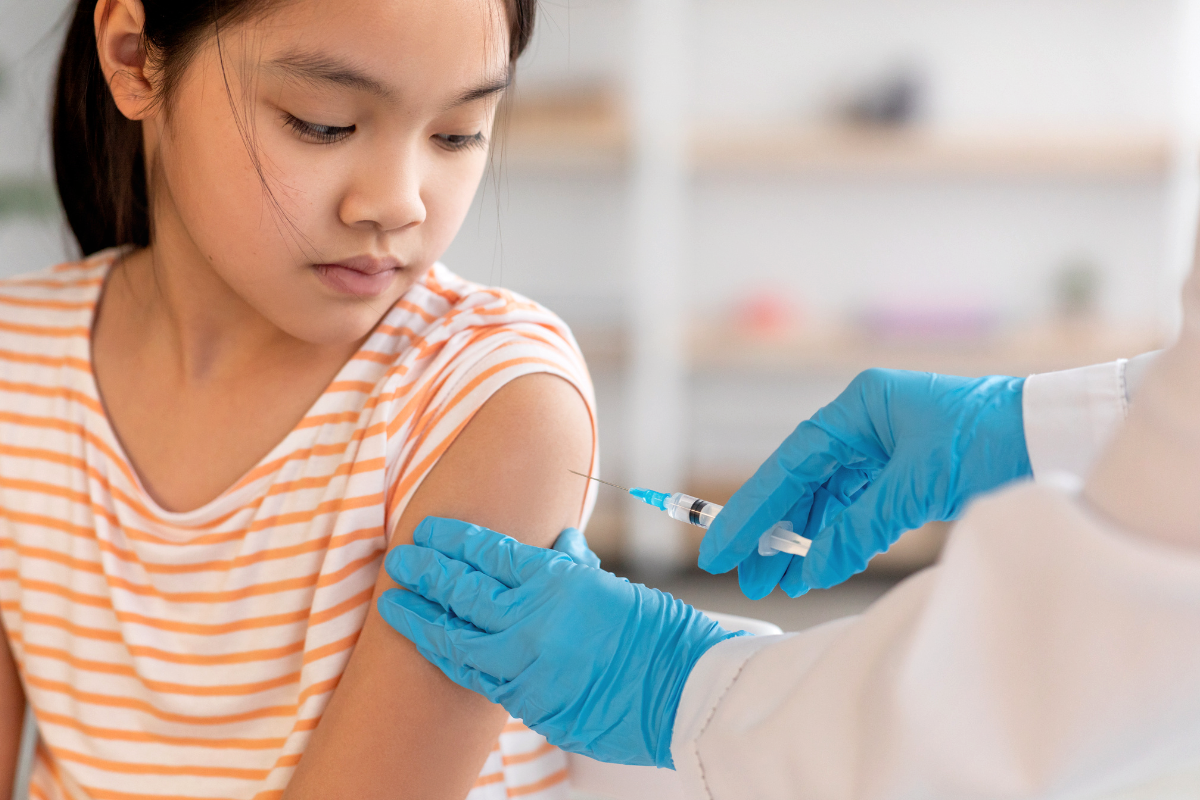
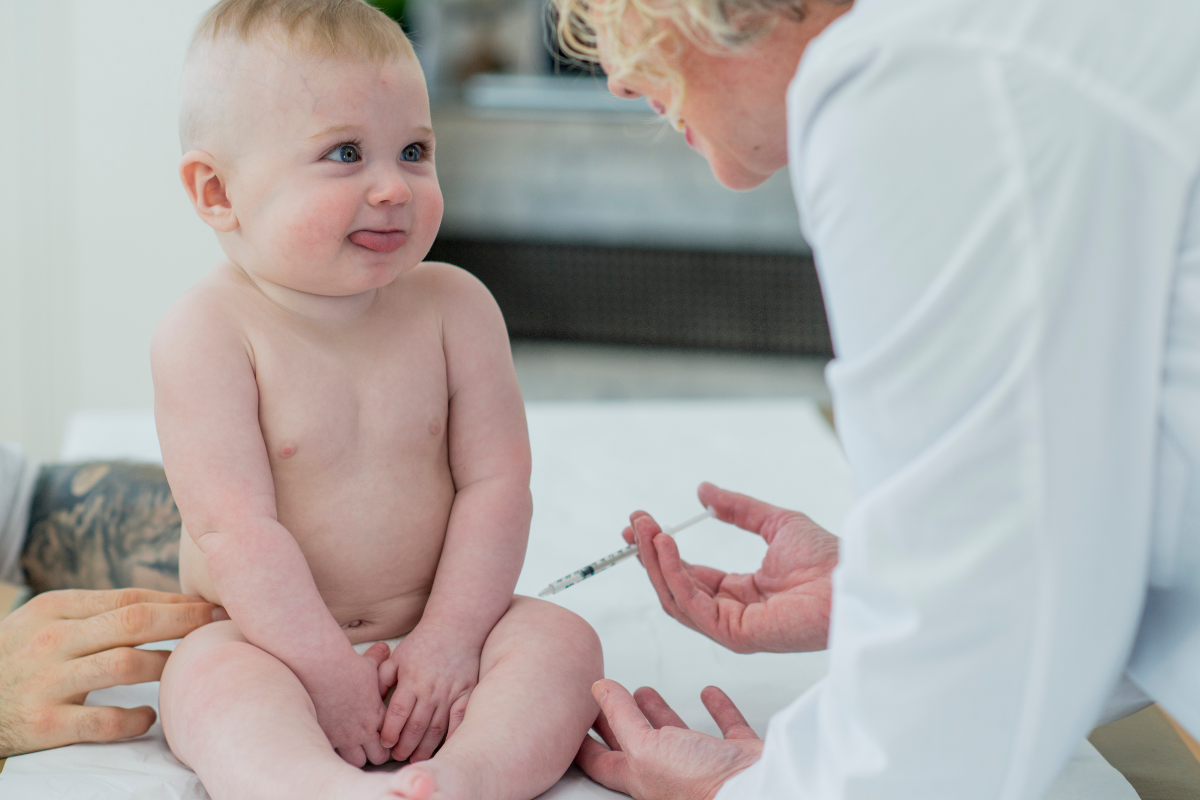
You do not need to wait to try to conceive. The COVID-19 booster works like basically any other vaccine — it prompts your immune system to develop antibodies against a virus. There is no reason to think this would be an issue with conception, and, in practice, your body is constantly creating antibodies against the various viruses you are encountering out in the world.
There is one thing to note, which is that COVID-19 vaccination has been shown to impact menstrual cycle length, likely by delaying ovulation. In a paper in Obstetrics & Gynecology, researchers used data from a period tracker app to look at cycle length for women who had COVID-19 vaccines.

In a sample of about 6,500 app users over 32,570 cycles, the authors found 4,643 cycles that overlapped with COVID-19 vaccination. Relative to control cycles, those in which people were vaccinated were 1.14 days longer. There was a similar increase in cycle length (1.45 days) for people who were actually sick with COVID-19.
The reasons for this are likely that ovulation was delayed in some people as a result of vaccination or illness. Our body will sometimes hold back ovulation if it perceives an inhospitable environment, including when we are sick.
This possibly delayed ovulation might make it slightly more complicated to time sex for pregnancy, but it should not otherwise impact the chance of conception. And these effects in the study did not persist past the month of vaccination.
Bottom line: no reason to avoid the booster when you are trying to conceive.
Community Guidelines





Log in