





 Get access to over 1,300 articles and reader Q&As



Although I did not always find breastfeeding easy, I have at least some fond memories of it. I cannot say the same of pumping. I remember many lows — the Laguardia airport bathroom is probably top of the list — but no highs. I pumped while I was away from my children because I wanted to maintain breastfeeding, but it was the worst. Nevertheless, a huge share of women do choose to pump, for many reasons, so it’s worth it to try to make it easier.
The whole concept of pumping is a little overwhelming, since it can feel like there are a million different logistical and other questions to answer. When? What kind of pump? How to store things? Someone once told me I’d get more milk if I looked at a picture of my baby while pumping, but honestly, I really would have rather used that time to catch up on my email.
To organize your thoughts, here is an overview of pumping: the reasons you might be doing it, and what those reasons mean for logistics. Plus, some of your frequently asked questions about the technicalities.
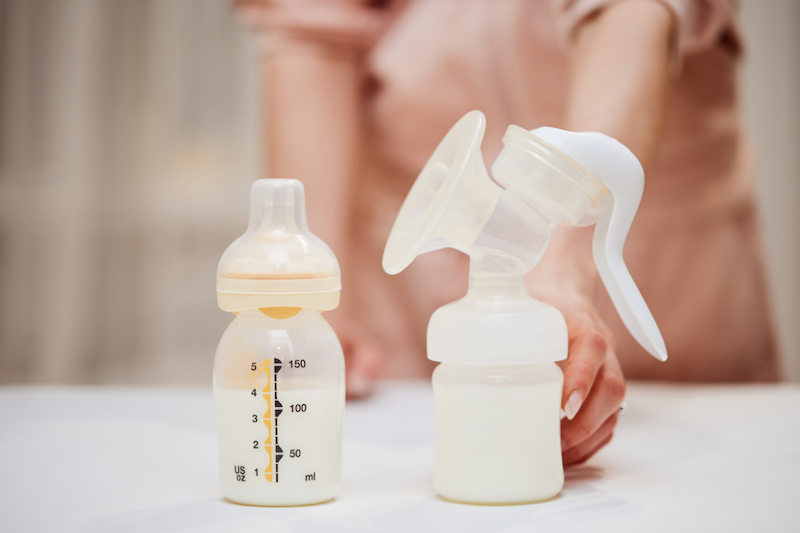
What are the reasons to pump?
To increase supply
- What is it? Breast milk supply is responsive to demand, so if you pump more often than your baby eats, you are “tricking” your breasts into making more milk. For women with low breast milk supply, this can increase it over the time frame of a few days or weeks. Sometimes this is recommended early on after your baby is born to establish the supply more quickly.
- Who is this right for? People with a low supply.
- When should you do it? Often, the easiest way to do this is to pump after some of your breastfeeding sessions. This way, it doesn’t interfere with nursing, but you’re giving your body the signal that more is required.
Pumping for storage
- What is it? Sometimes people will pump on top of breastfeeding to “build a freezer stash” or have milk for storage for when they return to work, need to travel, etc. This may be a temporary use of pumping to stock up for a particular event or an ongoing plan to stockpile.
- Who is this right for? People who want to freeze an extra supply of milk.
- When should you do it? This can also be done by adding onto breastfeeding sessions — when your baby is finished, pump to completely empty your breasts. Once your baby has a reliable eating schedule, you can also add a pumping session between feeds (maybe at night once they are sleeping longer). This is harder to do when the baby is unpredictable, so it works better with an older baby (after the first few weeks) who is on a more regular feeding schedule.
Pumping to replace a feed
- What is it? Many people pump to replace a feed, especially overnight, so another adult can do one of the feedings.
- Who is this right for? People who want the ability to share night wake-ups or, in some other way, share feeding duties.
- When should you do it? This is a little complicated. You need to first pump enough to have a bottle for the first night feed (or use formulas for this if you’re combo feeding). Then, the breastfeeding partner pumps while the other partner feeds the baby from the milk that has been previously pumped. To make this work in an ongoing way and to keep up supply, the breastfeeding person is going to need to wake up at night to pump, so this doesn’t entirely preserve sleep. But it does often help, and pumping can be more relaxing than feeding and changing a baby for some people.
Exclusively pumping
- What is it? This happens for a variety of reasons, but, generally, “exclusive pumping” refers to a situation in which someone is not breastfeeding directly at all but is providing all or most of the baby’s nutrition through pumped breastmilk. This may happen for only some period of life or for the entire feeding journey.
- Who is this right for? There are a lot of situations where this comes up. It is often used with babies who have trouble latching, either due to tongue tie, prematurity, or other conditions.
- When should you do it? Because this does not necessitate working around the baby’s feeding schedule, generally, exclusively pumping is done on a fixed schedule, approximately as frequently as the baby is eating.
Pumping at work (or when otherwise away)
- What is it? Perhaps the most common use of pumping is when you’re away from your baby for an extended period — travel, work, etc.
- Who is this right for? Anyone who is going to be away from their baby for an extended period (regularly or not) and wants to maintain breastfeeding supply and a breastfeeding relationship.
- When should you do it? The general advice is to try to pump at approximately the same time the baby eats. This isn’t always feasible, especially if you’re organizing this around travel or work meetings, so it should be taken as an approximation.
Common pumping questions
Do I have to wash pump parts every single time I pump?
The official advice is to wash (and sterilize!) pump parts every time you use them. This is unrealistic for many people, especially if you are pumping multiple times a day at work. In general, breast milk is far more robust than we often hear, which means that the concerns about spoilage that drive these recommendations are too conservative. Unless you are pumping for an infant with immune compromise (in the NICU, etc.), the hack of sticking the pump parts in the fridge over the course of a day is fine.
How long should I pump for?
Usually, the recommended time is 20 to 30 minutes, but this is very person-specific. With a pump, you can usually tell when milk production slows down and the breasts are mostly empty, and that’s the time to stop.
What’s the best kind of pump?
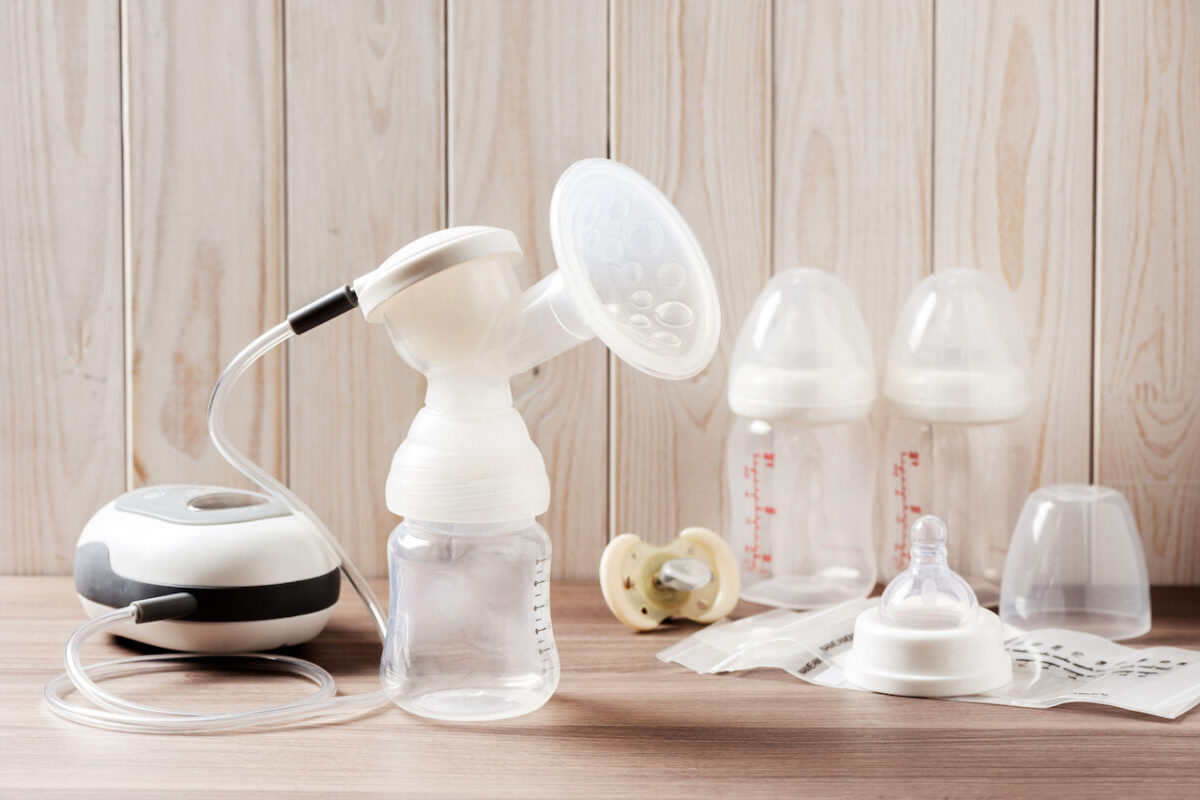
There is no one answer to this. The larger the motor in the pump, the more milk you’ll get out, but also the more onerous it is to have on the go. If you’re only planning to pump at home, a larger pump may be fine. If you need to pump on the go, one of the in-bra options (brands like Willow or Elvie) may be best.
Can I get a used pump?
Yes (it’s just a motor, after all), but you should get new flanges. Largely because you want to make sure you get ones that fit you.
How do I pick a flange size?
This question is important and under-asked. The flange is the part of the pump that goes over your breast, and getting one the right size is key to making the pump work well (meaning it gets as much milk as possible and doesn’t cause you pain). This guide details the steps of measuring and choosing the right size; this is worth doing even if it seems weird to measure your nipple.
Is there any way to get more milk in a pumping session?
Most of the published literature on the volume of breastmilk achieved with pumping focuses on the mechanics of the pump. As noted above, more powerful pumps can remove a greater amount of milk. In general, we know that eating enough and hydrating are important for breast milk production, but that’s true whether pumping or not. There is no concrete evidence that looking at photos of your baby improves milk production.
“Power pumping” is another approach to getting more milk by adding pumping sessions close together. This is slightly different from getting more milk in a single session, but by pumping multiple times close together, your body gets the picture that it needs to produce more milk.
Closing thoughts
When it comes to pumping, I continue to feel the biggest issue is the overwhelm of the number of questions, the number of choices, and the range of situations this could be used in. The biggest piece of advice is to figure out what your reasons are and then make a plan.
The bottom line
- There are many reasons why you might choose to pump, whether you’re exclusively pumping or doing it to increase supply, build up a freezer stash, or replace a feed.
- Pumping can be a logistical (and emotional) challenge, and you should do anything you can to make it easier on yourself — refrigerating the pump parts in between pumping sessions instead of washing and sterilizing them every time is just one of them.











Log in
Is there any guidance around when to start pumping? Does it help with supply if I start pumping right away at the hospital, or as soon as milk starts to come in?
A cautionary note about used pumps: if your goal is to increase/maintain supply, a used pump might not fully empty your breasts if the motor is too worn out! I was using my wife’s old pump and didn’t realize for several weeks that it was contributing to lowering my supply. Some lactation consultants can measure the vacuum strength with a tool to check if the motor is still strong enough.
I want to share that the link to flange fitting information included in this post is not consistent with current sizing guidance and I’d highly recommend any pumping parents follow the current guidance found in the Flange FITS guide: https://doh.wa.gov/sites/default/files/2023-06/961-1279_WIC_FlangeFITSGuide.pdf
That guide is based off a research study looking at pumping output and comfort when comparing the Flange FITS sizing method to traditional sizing (which adds multiple millimeters to the nipple tip measurement). Here’s the research article: https://journals.sagepub.com/doi/epub/10.1177/08903344241296036
I can say from personal experience, between my first pumping journey where I used a 21mm flange based on the traditional guidance and my second pumping journey where I used a 12mm flange based on the Flange FITS guidance, that using the smaller flange per Flange FITS gave me more output in less time with much more comfort. I’m so incredibly grateful to have had a pumping specialist located within my IBCLC’s size me for my second pumping journey using knowledge from the Flange FITS guide. I try to share this resource far and wide because so many people are using flanges that are much too big for them!
Yes! I just had a baby 3 weeks ago and I’m so glad the lactation consultant pointed out the new size recommendations! Definitely pumping more with my second child than my first child.
Personal experiences feel like a great use of comment section for this post!
I exclusively pumped for both of my kids, simply because I hated breastfeeding but had good production and wanted to provide antibodies for the first 3-6mo of their lives. I feel really lucky that I never felt precious about the idea of breastfeeding so exclusively pumping was an easy decision, but no one ever talked to me about that option before my first baby. Breastfeeding was made to feel like all or nothing, and when I finally asked my doula about it when my first borns’ weight dropped and I was triple feeding, it felt like a no brainer and we never looked back.
I almost immediately felt a mental health relief – I felt like I could really enjoy time with my daughter instead of sweating while trying to get her in the right position and stressing she was getting enough. It was overall a great decision for my family – my husband was eager to help, took on overnight feeds while I pumped (yes, even when he went back to work before me!), and gave other loved ones the joy of feeding our babies, too (when we were ready to share that experience). Going back to work and pumping felt like one less thing to stress over, as all I needed to do was adjust the schedule around meetings etc. Have I pumped while standing in weird bathrooms and felt almost subhuman? Yes. Have I gotten to watch full seasons of Housewives by myself because I get to sit alone for 20min (first born experience only)? Also yes.
Pumping can be a pain in the ass, and even in this moment almost 3mo postpartum with my second I’m feeling burnt out, but I’m really grateful for the option and all that I’ve learned.
Supplement with sunflower lecithin (phosphatidyl choline) to keep the fat globules in your milk more liquified as this prevents clogged ducts and it may or may not help build your baby’s brain. I found it helpful when I was not able to pump on a strict schedule while at work.
Another logistic is when you start the pumping session, the cycle should be high to simulate how a baby sucks in short quick spurts to stimulate a let down. Once a milk let down starts, then switch the cycle to a low speed to get the most milk ejected.
I’ve heard about the looking at baby pictures and I feel this is misunderstood. The point is that the stress hormone cortisol inhibits the milk let down, which is why a stressful life event can put an end to milk supply. So, whatever you choose to do while pumping, just make sure it is relaxing and stimulating your parasympathetic system instead of stressful and stimulating your sympathetic.
If you are pumping to replace a missed feeding, should you be aiming to get the same amount that the baby ate from the bottle? Even if this doesn’t empty your breasts?
Personally I just try to get as much as I can—it’s the easiest way to increase the freezer stash! There might be a risk of oversupply if you do this in some really extreme way, but that’s never been an issue for me.
Yes, that is the advice given to me by a lactation consultant. Pump until you reach the volume of milk your baby needs, not for a set amount of time (since we are all different). You want your breasts to become soft but not completely empty. This will prevent engorgement and oversupply. Unless you are trying to increase supply — then you can pump until your breasts are empty, which will tell the body to produce more milk than you are already making.